





What Returning Players Notice First
A login page tells you a lot in the first few seconds. You open it before work, coffee in one hand, phone in the other, and you can tell right away whether the flow respects your time or wastes it. A clean entry point matters because most people are not arriving to admire the design. They want to check the balance, open a familiar game, review a pending withdrawal, or move straight into a table. That is the real job of a good casino entry process in 2026 - reduce drag.
For Australian users, that first contact also carries a practical question: does the platform feel stable enough for repeated use, not just one lucky evening? You look for small signs. Clear fields. Obvious buttons. No clutter around account access. And no strange detours before you even reach the lobby. Those details shape trust faster than promotional slogans ever do.
The strongest impression often comes from what is missing. No confusion, no crowded screen, no guessing where to tap next. If a platform lets a returning player move from homepage to account area in a calm, linear way, the rest of the session already starts with less friction.
How The Entry Flow Sets The Tone
You open the platform on a short break, and the first thing you want is direction. Not noise. If the sign-in area sits where you expect it, if the labels are plain, and if the route from entry to lobby feels direct, the whole session starts lighter. Players remember that. They may forget banner art by the next day, but they remember whether account access felt simple or irritating.
Why Speed Matters More Than Hype
A lot of casino pages try to impress before they help. That is backwards. The returning player does not need drama. They need fast recognition, quick access, and a stable path into the account section. If that part works, everything after it feels more believable.
Picture a commuter checking the platform on the train home. The signal is decent, but not perfect. A page that loads the core account tools quickly will feel stronger than one that spends precious seconds pushing graphics around. Short wait. Fewer taps. Less second-guessing. That is the kind of practicality people value.
A Sawspin Australia Login On Mobile
Mobile access is not a side feature anymore. For many players it is the main route, and that changes what matters. Thumb reach matters. Field spacing matters. Page weight matters. If you have ever tried to sign in while standing in line at lunch, you know how little patience there is for messy screens or tiny buttons.
The best mobile experience feels small in the right way. Not limited. Just focused. You open the page, enter your details, confirm them once, and move on. Yet plenty of platforms still make mobile sign-in feel like a squeezed desktop version. When that happens, routine access turns into work.
There is also a psychological side to mobile use. People check in more casually on a phone. A quick balance look. A short session. A glance at pending activity. Since the intent is often lighter, the interface has to respond with less resistance. That is where thoughtful mobile design earns its keep.
What Players Expect On Smaller Screens
You unlock your phone and want the essentials to appear without a hunt. Sign-in, cashier, games, support, and account settings should sit in a structure that feels familiar after a day or two. Once that pattern sticks, repeat visits become easy.
And when a player can move through those basics one-handed, the platform suddenly feels more mature. Not flashy. Just ready. That is a quiet advantage, though it becomes obvious after a week of regular use.
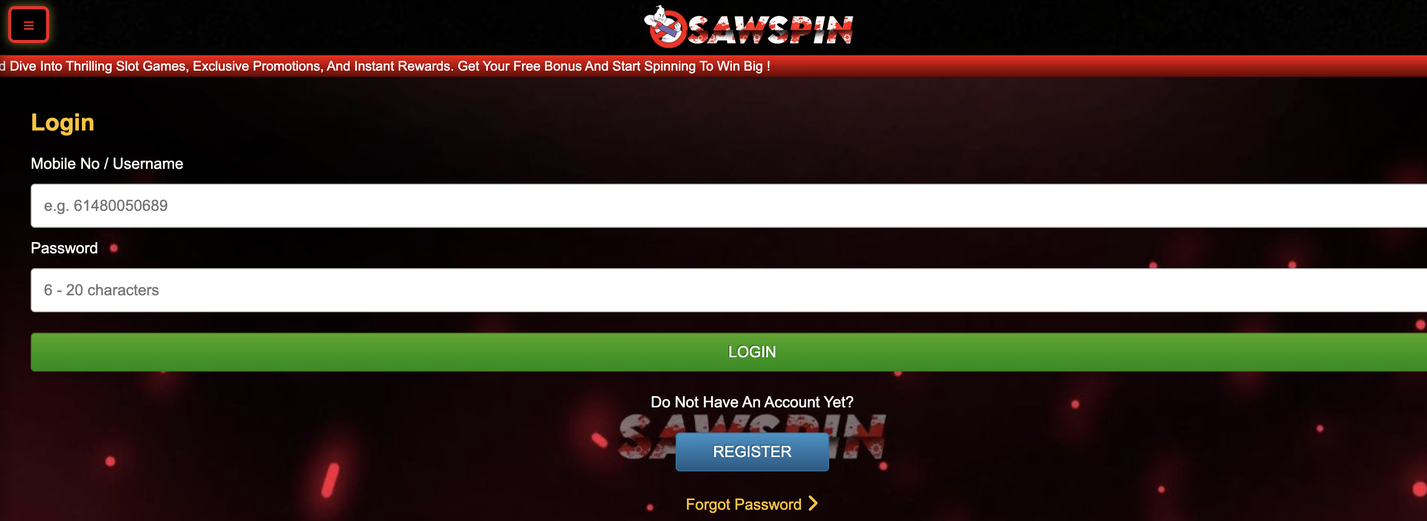
From Homepage To Lobby Without Wasted Steps
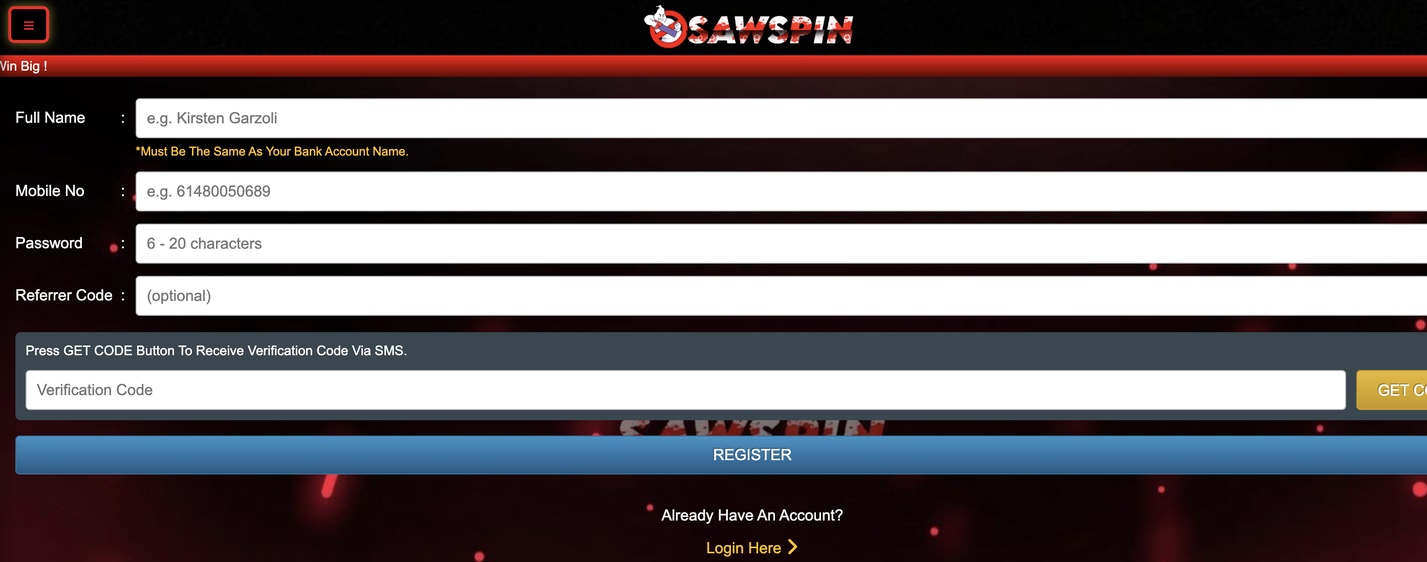
The path from the front page into the account should feel like one motion. You open the platform after dinner, glance at the top corner, hit the entry button, complete the fields, and land where you need to be. That is the standard people compare everything against.
Things get messy when extra steps creep in for no clear reason. Maybe the entry area hides behind a menu. Maybe the screen reloads twice. Maybe the confirmation prompt appears in an awkward spot. None of that sounds disastrous on paper. In real life, it chips away at confidence. A good platform respects routine behavior and keeps the route compact.
Returning users also want continuity. They do not want to feel like the page changes personality every session. If the structure stays familiar, they stop thinking about access and start focusing on the games, account history, and session choices. That shift matters because a smooth routine feels safer than a surprising one.
Now imagine a player checking the account during a busy weekday. Five minutes free. That is all. In that moment, efficient access is not a luxury. It is the whole point. If the platform burns half of that time on avoidable steps, it loses value fast.
There is another layer here: emotional temperature. Fast, clear entry helps the player stay calm. Slow, uncertain entry does the opposite. And calm users make better decisions once they are inside the lobby, whether they are depositing, browsing, or stepping away.
The Small Frictions That Annoy Repeat Users
Most repeat users can tolerate one extra tap. They hate five. You feel that difference most when the action is repetitive: signing in at the same hour, from the same device, for the same kind of short session. Tiny delays that look harmless in isolation become irritating when repeated across a week.
A platform that trims those small irritations earns loyalty the practical way. Not through grand promises. Through fewer little mistakes.
What You Actually Do After Entering
Once you are inside, the first move is rarely random. Many players head to the wallet, recent activity, promotions page, or game category they used last time. That is why a sensible post-login layout matters almost as much as the entry page itself. If the account opens into a confusing space, the benefit of a smooth sign-in weakens immediately.
Say you log in before a short evening session. You probably want one of three things: confirm your balance, reopen a familiar title, or check whether a prior request has changed status. The better the layout supports those actions, the less likely you are to wander around clicking blind. People enjoy entertainment more when the practical pieces settle first.
Some platforms get this right by keeping account tools grouped together. Profile details stay in one place, cashier tools stay in another, and history is easy to revisit. That structure sounds simple because it should be simple. When it is not, users begin to lose trust in the page long before anything truly serious goes wrong.
There is also value in momentum. A strong session often begins with one clear action after access, not six half-decisions. If the platform encourages that rhythm, players feel more in control from minute one.
Feature Area | Why It Matters | What A Careful Player Checks |
|---|---|---|
Account Entry | Starts the session cleanly | Correct details, stable page load, no duplicate taps |
Wallet Section | Helps manage funds clearly | Balance view, payment method, recent transactions |
Game Categories | Speeds up navigation | Preferred format, search path, category labels |
Activity History | Reduces guesswork | Recent play, pending actions, completed requests |
Support Access | Solves issues faster | Contact option, message clarity, response path |
Payments, Cashier Logic, And Session Control
The cashier is where confidence gets tested. A player may forgive a bland design or a slow banner. Money actions are different. If the deposit and withdrawal area feels confusing, users stop relaxing. You see it in behavior: more backtracking, more rereading, more hesitation before confirming anything.
A practical cashier flow starts with clarity. You should be able to see what method you are using, how the request is framed, and what details belong to the current account. Open the wallet late at night after a long day. Fatigue changes how people read screens. Good platforms account for that by keeping the path plain and the labels easy to scan.
Consistency matters here more than excitement. If the same method behaves predictably across repeat sessions, the user stops worrying and starts treating the cashier like a routine tool. That is exactly where it should live mentally - as a controlled account function, not a mystery box.
Session control ties into this as well. Smart users do not just move money. They build habits around it. Check the amount twice. Use one reliable payment path instead of hopping around. Review history before making assumptions. That discipline makes the whole experience feel steadier, especially across longer stretches of play.
And yes, Australian users tend to notice account discipline more in 2026 because digital routines are tighter everywhere now. People expect cleaner records, clearer confirmation, and fewer surprises. A casino platform does not have to feel formal, but it does have to feel organized.
Why One Consistent Method Often Works Better
You deposit using the same method each week, from the same device, with the same personal details, and the account begins to feel orderly. That order reduces unnecessary questions later. A scattered pattern does the opposite. Different methods, different devices, half-updated profile details - suddenly a simple account starts looking messy.
Players who value speed often learn that stability is what creates it. The boring path wins more often than the chaotic one.
How Withdrawal Expectations Stay Realistic
One of the easiest ways to stay comfortable on a casino platform is to drop fantasy timing. Requests move through checks, queues, and account reviews. If you expect instant movement every single time, you create your own frustration before anything has even happened.
A calmer approach works better. Submit the request, review the details once, keep your account information consistent, and give the process room to move. That mindset saves a lot of unnecessary stress.
Where Limits Become Useful
Limits are not there for bad days only. They are useful on normal days too, because routine boundaries protect routine behavior. You might log in on a Saturday morning thinking it will be a short visit, then drift longer than planned. A simple spending cap or session reminder puts shape around that drift.
That is the quiet value of control tools. They let the player decide the frame before emotion starts making the decisions instead.
Support, Safer Settings, And Long-Term Use
Support is not just an emergency door. It is part of the platform's usability. You notice that when something small goes wrong: a rejected document, a delayed confirmation email, a question about a locked feature. In those moments, the real test is not whether help exists. It is whether help can be reached without a scavenger hunt.
Picture a player sending a message near midnight from a phone. The best support path lets that message stay short and precise: what happened, which device was used, what was tried already, and what appeared on screen. Clear structure beats emotional rambling every time. A tidy note gets better results because it gives the support team something concrete to work with.
Account control tools sit in the same practical category. Timeouts, spending checks, session reminders, and self-exclusion options matter because they turn intention into action. People like to think self-control will always appear on cue. Real life is messier than that. Tools help when mood and judgment stop moving in perfect sync.
Long-term users also benefit from realistic expectations. Promotions shift. Games rotate. Access rules may tighten during busier periods. None of that has to feel alarming if you approach the platform like a careful repeat user. One device. Clean profile details. Consistent payment behavior. Clear limits. Less chaos.
That approach does not make the experience less enjoyable. It makes it more sustainable. And sustainability is what separates a decent week from a frustrating month.
When To Contact Support Instead Of Guessing
You hit a snag, and the first temptation is to start trying random fixes. Refresh. Retry. Open another browser. Change the payment method. That scattershot approach can create more confusion than the original issue. A short pause helps.
If the problem involves access, identity checks, or money movement, sending a structured message early is often the smarter move. Give the facts, keep the tone steady, and let the response guide the next step.
Why Calm Habits Beat Reactive Ones
The players who last longest on any platform are rarely the most impulsive. They are the ones who make the environment predictable. They know where the settings live, how to step away, when to cap a session, and when to stop forcing action after a bad run. Those habits do not look dramatic. They work anyway.
A casino account feels far easier to manage when it is treated like something worth organizing, not just something to react through in the moment.